Survey of Merrimack River from Wicassee Locks to Town Landing (1822)
In September, 1822, James F. Baldwin, the agent of the Middlesex Canal, hired surveyors William Taylor and John G. Hales to conduct a survey and… Read More

In September, 1822, James F. Baldwin, the agent of the Middlesex Canal, hired surveyors William Taylor and John G. Hales to conduct a survey and… Read More
Annie Powell (1859-1952) is a recently discovered street photographer who is likely responsible for 3,000 “anonymous” photos of Lowell, MA found in books, postcards and… Read More
Board of Parks – Board of Commissioners – Lowell, Massachusetts – 1914 Middlesex Square – Corner of Middlesex & Baldwin Streets in Middlesex Village. Baldwin… Read More
Have you ever wondered where the Mayors of Lowell were buried? Early in Lowell history, Lowell Cemetery was the popular place. Over time as the… Read More
Source: New York Public Library’s Public Domain Archivehttps://nypl.getarchive.net/media/charles-dickens-786cdd It is often mentioned that Charles Dickens valued his visit to Lowell in February 1842 more than… Read More
November 28th is the 80th anniversary of the Cocoanut Grove Fire at 17 Piedmont Street, Boston. Four hundred and ninety people were killed and many… Read More
Content warning: this article includes mentions of murder, poisoning, self harm, and mental health issues. Many say that the links to Lowell through… Read More
Have you ever wondered who that school is named for? Sure the Butler and Wang schools are easy but what about the Morey? Having a… Read More
Cynthia Bicknell Atkinson, Lowell Historical Society Collection In the early 1830s, when Lowell was an emerging boom town of textiles and mill girls, there were… Read More
Over the course of February, 2021, former, long-time Lowell Historical Society board member and archivist, Martha Mayo published a series of Untold Lowell Stories on… Read More
In 2018, Genealogist Walter Hickey did a presentation on the Spanish Flu epidemic in Lowell nearly 100 years after it happened. Because of the recent… Read More
Eileen did a presentation on Lowell-raised Charles L. Willoughby. Check it out! Please click on this link – https://www.youtube.com/watch?v=lEPHzitYjvY The… Read More
The following is an essay from former, long-time Lowell Historical Society board member and archivist, Martha Mayo. Martha was also a Librarian at the Center… Read More
On May 17 2020, our Vice President Kim Zunino did our annual presentation (via Zoom!) on researching your home. If you enjoyed the presentation, please… Read More
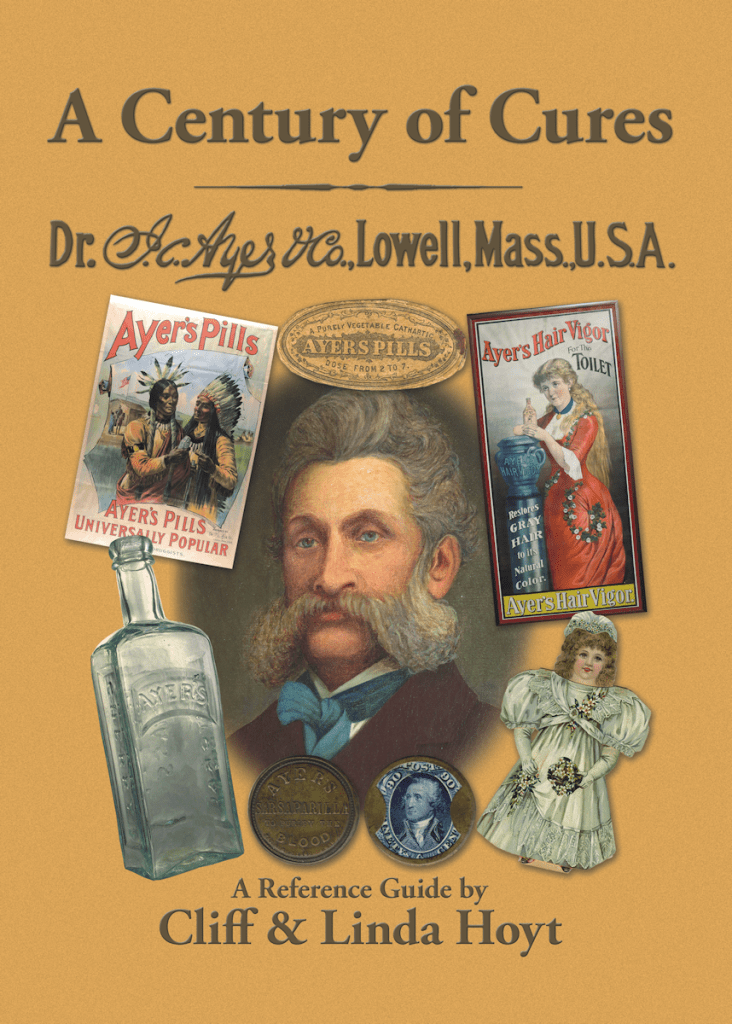
The Lowell Historical Society is proud to partner as publisher with board member and past LHS president Cliff Hoyt and his wife Linda to bring… Read More
Incoming Lowell Historical Society president Kim Zunino gave our 2015 annual presentation, which we are happy to share with you: https://www.youtube.com/watch?v=9uio2OslP1s… Read More
Our friend Dave McKean has another interesting post on LowellIrish. In writing about nuns – specifically the Daughters of Charity of St. Vincent de Paul… Read More
This is a cross-post from Dick Howe’s blog.Given the recent lightning strike that hit the iconic Hood stack in Lowell, LHS Board member Eileen Loucraft did… Read More
This is a cross-post from Register of Deeds Richard Howe’s personal blog. Dick has written his memories of the late Arthur L. Eno, Jr.. They… Read More
As Lowell Historical Society curator Ryan Owen continues to guide us through the Society’s collection, making things orderly, noting his finds and preparing for new donations, he offers… Read More
The Lowell Historical Society’s curator Ryan Owen is on a roll (sorry just had to write that!). His latest collection “forgotten find” is affectionately called… Read More
Don’t miss the interview in today’s Lowell Sun! Katie Lannan writes about the Lowell Historical Society’s newly appointed curator Ryan Owen and his charge and… Read More
As the Lowell Historical Society’s Curator – Ryan Owen – continues his work with the Collection, he will report on the oddities and curiosities that… Read More
As the Lowell Historical Society’s newly appointed Curator – Ryan Owen – continues his work with the Collection, he will report on the oddities and… Read More
This is a cross-post from LowellIrish researched by the Lowell Historical Society’s Genealogist Walter Hickey and Karen Hickey. More of Walter’s sleuthing will be presented on Saturday March… Read More
The array of crackers available to today’s consumers from Market Basket to Trader Joe’s and beyond is stunning. I’m a cracker lover who enjoys eating… Read More
Back in August our friend historian Dave McKean posted this article on his site LowellIrish – telling us about George Francis O’Dwyer who authored “The Irish Catholic… Read More
This is a cross-post from our friend Dave McKean over at LowellIrish. Dave and other St. Patrick Cemetery stewards are cleaning up and documenting important… Read More
This is a cross-post from our friend Davis McKean from LowellIrish. On this 150th Anniversary of the start of the Battle of Gettysburg, David reminds us… Read More
In today’s Sun we learned of the passing of Sally Birke – who along with her husband Nathan – owned Birke’s clothing store in downtown Lowell. As… Read More
Lowell Historical Society board member and Assistant Administrator Kim Zunino of the Lowell Historic Board gives us more information about the history and fate of… Read More
Before there was Instagram, there were actual film cameras and photos left to age for decades. As Lowell National Historical Park looks at its 35th… Read More
After years of wrangling among the town fathers, the Historic Commission and the former owner, the remains of the famous Ames Castle atop a hill… Read More
Our friend and Lowell Historical Society colleague Ryan Owen over at “Forgotten New England” offers us an interesting glimpse in to a forgotten but important… Read More
The Lowell Historical Society is constantly receiving artifacts from people around the country. While it would be an impossible task to share them all out… Read More
On this Day November 5, 1818 – Benjamin F. Butler – a lawyer and politician who represented Massachusetts in the United States House of… Read More
With all the interest and activity in the abolitionist movement in Lowell in the 1840s – 1860s, I though that this personal letter written by… Read More
This entry is a cross post from “Forgotten New England” – the blog site of Lowell Historical Society board member Ryan Owen. Note: In 1975,… Read More
Here’s the latest “Forgotten New England” column from Lowell Historical Society Board member Ryan Owens.July 9, 2012 The Story of Lowell’s Shedd Park By Forgotten New… Read More
Many volumes of the Lowell Technological Institute’s yearbook “The Pickout” have been digitized. Check out former LHS President and former LTI professor John Goodwin’s photo… Read More
Our dear friend and past President of the Lowell Historical Society and the Lowell Museum – John Goodwin died last month at the age… Read More
Lowell historian and Lowell Historical Society genealogist Walter Hickey is not only an avid and meticulous researcher, he is a great story teller. Check out this… Read More
Lowell Historical Society Board member and genealogist Eileen Loucraft shared this piece about Babe Ruth and his Lowell connection with our friends at LowellIrish.com. We… Read More
Lowell City Documents were digitized through the Boston Library Consortium, Open Content Alliance Project. They are now available on the Internet Archive. Each annual volume… Read More
Recently our friend over at “Forgotten New England” posted a very interesting piece on Arthur G. Pollard and Pollard’s Department Store – a retail store staple for… Read More
This is a cross-post from Lowell Historical Society Board member Eileen Loucraft’s blog LowellDoughboys. LOWELL DOUGHBOY STATUE -TRIBUTE OF A GREATFUL NEIGHBORHOOD The Lowell… Read More
From the inscription: “…through their efforts in every facet of city life they helped establish Lowell as one of the most important cities in the nation.”… Read More
This is a cross-post from Dick Howe’s blog.March 6th, 2012 Lowell’s Bon Marché Store Remembered by “Forgotten New England” by Marie So many of… Read More
This is a cross-post from our friend historian Dave McKean’s blog “LowellIrish”. Dave gives readers the flavor of celebrating St. Patrick’s Day in Lowell back… Read More
This is a cross-post from Dick Howe’s blog. It is a subject that could generate many more posts! Automobile Races, Technology and the Lowell… Read More
Charles Dickens as a young man… he was 30 years old on his First American Tour. Lowell Historical Society VP Gray Fitzsimons passed along this… Read More
St. Patrick Church, ca 1880 – Lowell Massachusetts Over at the Lowell Irish website, church historian Dave McKean tells us how he got involved in collecting and… Read More
This is a cross-post from “Lowell Doughboys” – the blog of Lowell Historical Society board member Eileen Loucraft. On this blog Eileen posts about World War One and the Greater… Read More
Over on his LowellIrish blog, Dave McKean tells us the story of one of Lowell’s earliest Irish immigrants – Denis Crowley. Read this exerpt and … Read More
This is a cross-post from Dick Howe’s blog today: Lowell’s Sixth Massachusetts Volunteer Regiment Organized by Marie MassMoments reminds us that on this day… Read More
This is a cross-post from the www.RichardHowe.com blog. Dick had posted on the Facebook page “You Know Your From Lowell If…” asking about favorite local or… Read More
From the Lowell Historical Society Collection: Bust of Benjamin Franklin Butler, Civil War General, Congressman and Governor The Lowell Historical Society maintains – at the University of… Read More
For those who were unable to attend the recent tour of the Old English Cemetery down on Gorham Street, tour guide and Lowell Historical Society… Read More
This is a cross-post from RH.com on yesterday’s excellent presentation by Lowell Historical Society President Cliff Hoyt on “J.C. Ayer & C. and the Civil… Read More
An oversize panoramic view of Lowell and the Merrimack River reprinted from the 1850′s. Yesterday I had the opportunity to talk about the Lowell Historical… Read More